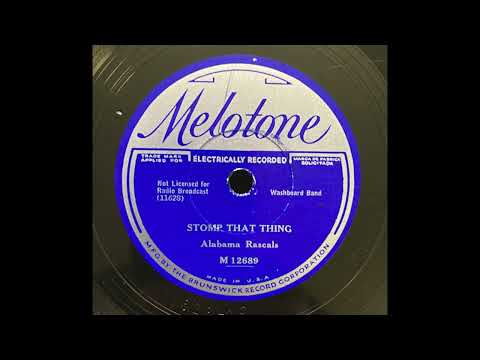
Recorded in New York on March 31, 1932. Released as Melotone 12689.
Credits Unknown artist – cornet Roy Palmer – trombone Darnell Howard – clarinet, alto sax, violin Unknown artist – clarinet, tenor sax Bob Hudson and/or W. E. (Buddy) Burton, piano / banjo Jimmy Bertrand – drums, washboard Unknown artist – vocals
A delightful original composition by pianist Arthur Schutt – first recorded with Carl Fenton and his Orchestra (with most of the players on this record) in April of 1927. Subsequently recorded later that same year by California Ramblers, Jack Hylton, and Willard Robison.
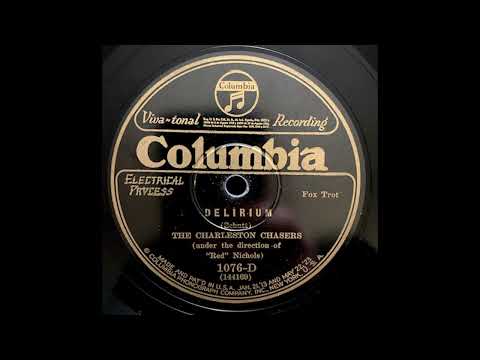
Recorded in New York on May 18, 1927. Released as Columbia 1076-D.
Credits Red Nichols – trumpet Miff Mole – trombone Jimmy Dorsey – clarinet, alto sax Arthur Schutt – piano Dick McDonough – banjo, guitar Vic Berton – drums
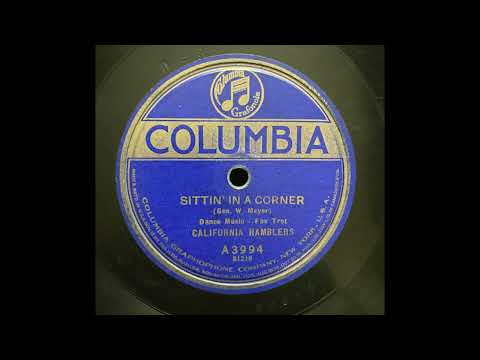
California Ramblers generally played stock arrangements of song sheets – though dazzling improvised solos began to appear on records starting in 1923.
“Sittin’ On A Corner” from late 1923 is one of those sides: things start off elegantly as the theme is stated – but at the 1:00 mark we hear something quite different: a hot and lively interchange between Adrian Rollini’s bass sax and Frank Cush’s trumpet. The conversation lasts for over 30 seconds, with each instrument effortlessly crisscrossing over the lines of the other. The “saucy” melody and “bouncing” rhythm create new musical ideas that bring this tune to life and make it so much more than a stock “dance orchestra” number.
Recorded in New York on September 18, 1923. Released as Columbia A3994.
Credits: Arthur Hand – director, violin Frank Cush, Bill Moore – trumpet Lloyd “Ole” Olsen – trombone Bobby Davis – clarinet, soprano sax, alto sax Arnold Brilhart – clarinet, alto sax Freddy Cusick – tenor sax Adrian Rollini – bass sax Ed Sutton, Joe LaFaro, Sid Harris – violin (when used) Irving Brodsky – piano Ray Kitchingman – banjo Stan King – drums
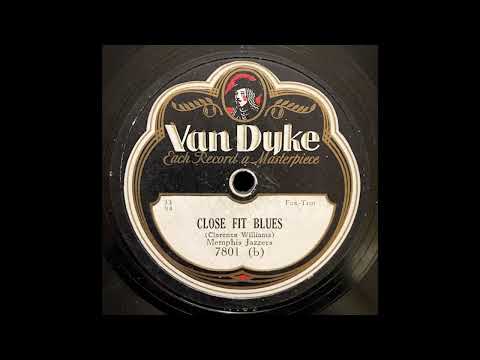
“Memphis Jazzers” here is a pseudonym for Clarence Williams and his orchestra, who had previously recorded this Williams composition, “Close Fit Blues”, in 1927 (Okeh 8510) and 1928 (Columbia 14287-D).
This hard-to-find 1929 release was the only side Clarence Williams recorded for the Grey Gull label (which included Madison, Radiex, and Van Dyke). These budget labels were known for their grainy playing surface, resulting in more surface noise.
The tune begins with a stately blues cornet theme by Ed Allen, which develops into a clarinet duet between Arville Harris and an unknown player. Ed Cuffee adds a somber trombone solo followed by a wonderful articulated passage by Cyrus St. Clair on tuba supported by Leroy Harris on banjo, punctuated by the rest of the band.
Credits: Ed Allen – cornet Ed Cuffee – trombone Arville Harris – clarinet, alto sax Unknown Artist – clarinet, tenor sax Clarence Williams – piano Leroy Harris – banjo Cyrus St. Clair – tuba
Recorded in March of 1929 in New York Released as Van Dyke 7801. Also released as Grey Gull 1718, Madison 1718, and Radiex 1713.
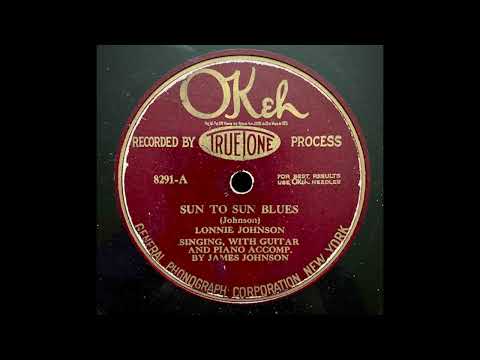
A very early record by Lonnie Johnson documenting a lovely piano and guitar duet between Messrs Johnson and Johnson. This session was recorded by Okeh’s “TrueTone” process – and it is unclear whether this session was acoustically or electrically recorded.
At 1:20, you can hear an unidentified voice in the background (James Johnson?) shout out “How you gonna (unclear)?”, to which Lonnie replies, “I’m gonna kick (keep?) that thing!”
The last lyric beautifully articulates the risks of love: “Love feels very light, but it drives like a weight of iron. Sometimes it drives so heavy, you can’t help from crying.”
Recorded in New York, New York on January 19, 1926. Released as Okeh 8291
Credits Lonnie Johnson – guitar, vocals James Johnson – piano
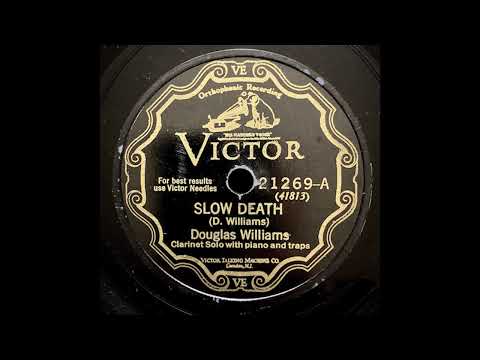
Memphis clarinetist Douglas Williams’ first Victor session. The first of many records of original compositions that he would make with Victor from 1928-1930 before fading into complete obscurity thereafter.
The first time I heard this side, the plaintive bleating of his gaspipe clarinet starting around 0:45 hit me hard – so expressively mournful!
Recorded in Memphis, Tennessee on January 31, 1928 Released as Victor 21269 and reissued as Bluebird BB B-6151
Credits Douglas Williams – clarinet Blaine Elliott – piano Sam Sims – drums
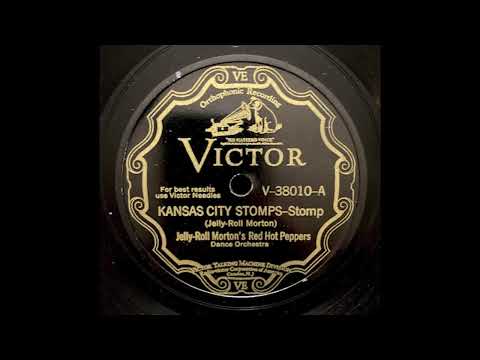
Recorded in New York on June 11, 1928. Released as Victor V-38010. Later reissued as Bluebird BB B5109-A and B-7757-A.
The infectious optimism of this performance of “Kansas City Stomps” by Jelly Roll Morton’s Hot Peppers is a wonderful listen.
After a rondo-style introduction, we are introduced to the lively theme. Omer Simeon treats us to a clarinet solo, solidly backed by the rhythm section. Jelly Roll then takes a piano solo punctuated by sharp drum beats. Lee Blair gives us a frenetic banjo solo followed by a trumpet solo by Ward Pinkett frequently interrupted by tremulant rejoinders from Blair’s banjo.
Credits Jelly Roll Morton – piano, director Ward Pinkett – trumpet Geechie Fields – trombone Omer Simeon – clarinet Lee Blair – banjo Bill Benford – tuba Tommy Benford – drums
For fun, also listen to Jelly Roll’s earlier 1923 solo piano recording of this same tune: https://youtu.be/R_DLXeFu8l8