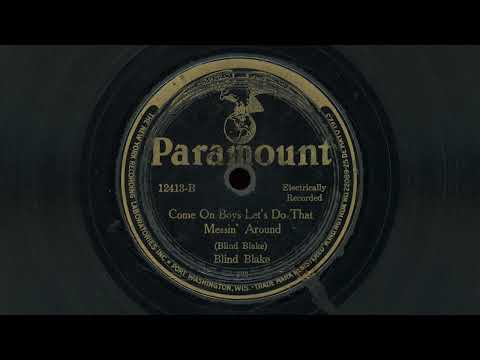
I usually stick to collecting jazz records but when this Blind Blake record was offered for sale recently at a price I couldn’t believe, I had to buy it!
The reason it was so inexpensive was that it has a crack from edge to label. However, it had been repaired by “record whisperer” Jim Cooprider, who is reputed to have the ability to bring records back from the dead using arcane methods. I was more than a little curious to see how good the repair was.
The crack was completely fused back together – using what alien technology I have no idea. It does sound – but not a sharp tic but more of a muffled and very slight thump as the needle skates over a thin layer of some magic substance that was used to fill and repair the crack. After de-clicking it’s hardly noticeable at all. Well done, Jim!
The record was graded at V- and it does have a rough start – but cleans up pretty well and is a very enjoyable listen.
This fun tune was from Blake’s second session with Paramount early in his career – and some copies are labeled simply as “Messin’ Around”.
I’ve always found Arthur Blake’s fingerpicking to be quite masterful. His firm clean tone and inventiveness is infectious and a pleasure to listen to.
Enjoy!
Recorded in Chicago, Illinois in October 1926. Released as Paramount 12413.
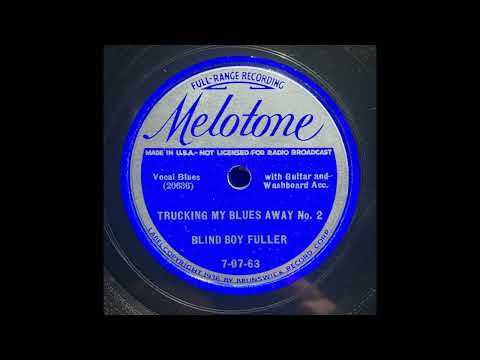
Blind Boy Fuller (aka Fulton Allen) was a popular blues artist who prolifically recorded over 100 records between 1935-1940. Like many blues artists of the 30s, a number of his tunes used double-entendres to suggest more risqué content.
He first recorded “Trucking My Blues Away” in 1936 – and it was such a hit that no doubt his record company convinced him to capitalize on its popularity and record it again in 1937 as “Trucking My Blues Away No. 2”.
This rousing version with washboard accompaniment is a little brighter than the original, with a good-spirited Fuller seeming to have a little fun and giving a more enthusiastic performance overall.
Recorded in New York City on February 9, 1937. Released as Melotone 7-07-63
Credits: Blind Boy Fuller – Vocals, Guitar George Washington (“Bull City Red”) – Washboard
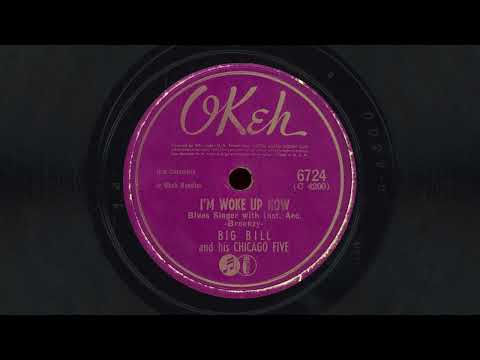
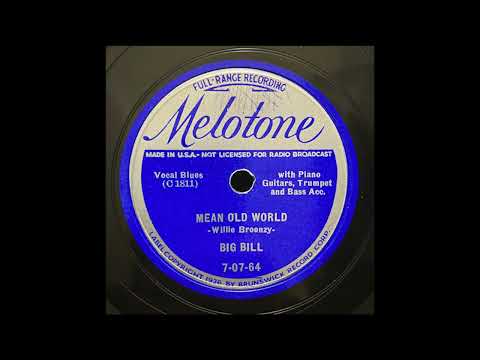
A rollicking Chicago blues number by Big Bill Broonzy about the “mean old world we live in”. Features a swingin’ backup band that includes New Orleans jazz trumpeter Punch Miller.
Recorded in Chicago on Sunday, January 31, 1937. Released as Melotone 7-07-64
Credits: Big Bill Broonzy – vocals, guitar Punch Miller – trumpet Black Bob – piano Bill Settles – bass Fred Williams – drums
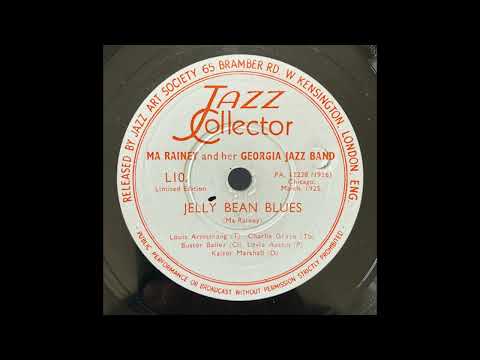
“Jelly Bean Blues” by Ma Rainey and her Georgia Jazz Band featuring Louis Armstrong, Charlie Green, Buster Bailey, and (uncredited on this label), Charlie Dixon on banjo.
“I can sit right here and look a thousand miles away – I just can remember what my baby had to say”
Originally released on Paramount in 1926, this dubbed pressing from the private Jazz Collector label in the UK is from the late 1940s.
Credits: Ma Rainey – Vocals Louis Armstrong – cornet Charlie Green – trombone Buster Bailey – clarinet Fletcher Henderson – piano Charlie Dixon – banjo
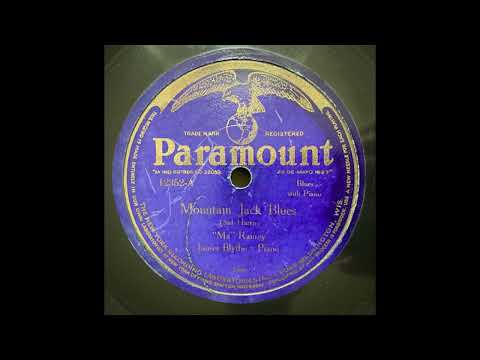
Ma Rainey’s “Mountain Jack Blues” begins idyllically: “Early this morning, everything was still…” But the true meaning of that seemingly pastoral moment soon is revealed as the narrator describes sadly watching her lover walk away, remembering his devastating last words to her: “I’m goin’, sweet mama, cryin’ won’t make me stay – The more you cry, the further you’ll drive me away”.
Recorded in February 1926 in Chicago with pianist Jimmy Blythe. Released as Paramount 12352.